From idea to bronze object
Step 1 - Wax pouring
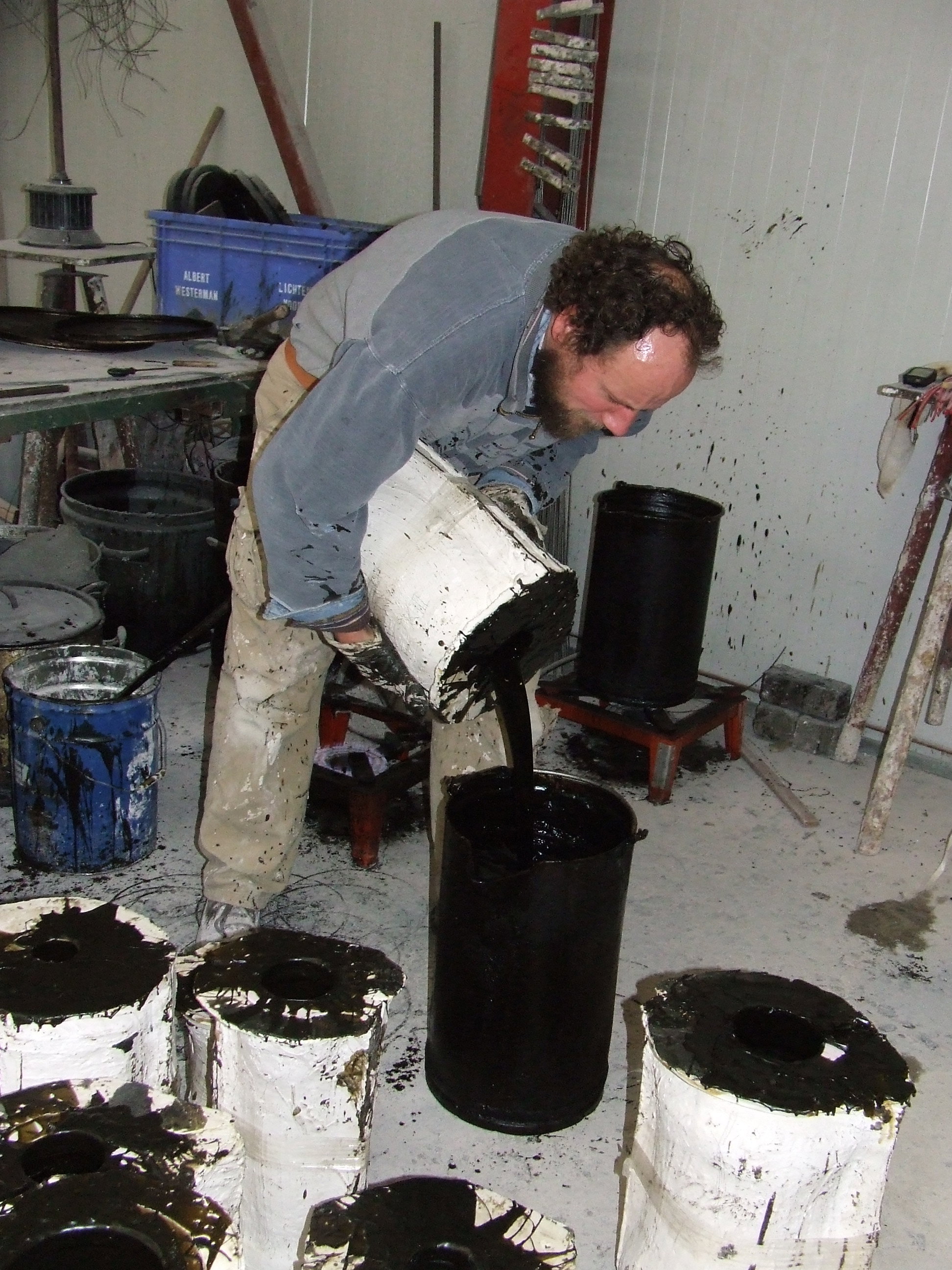
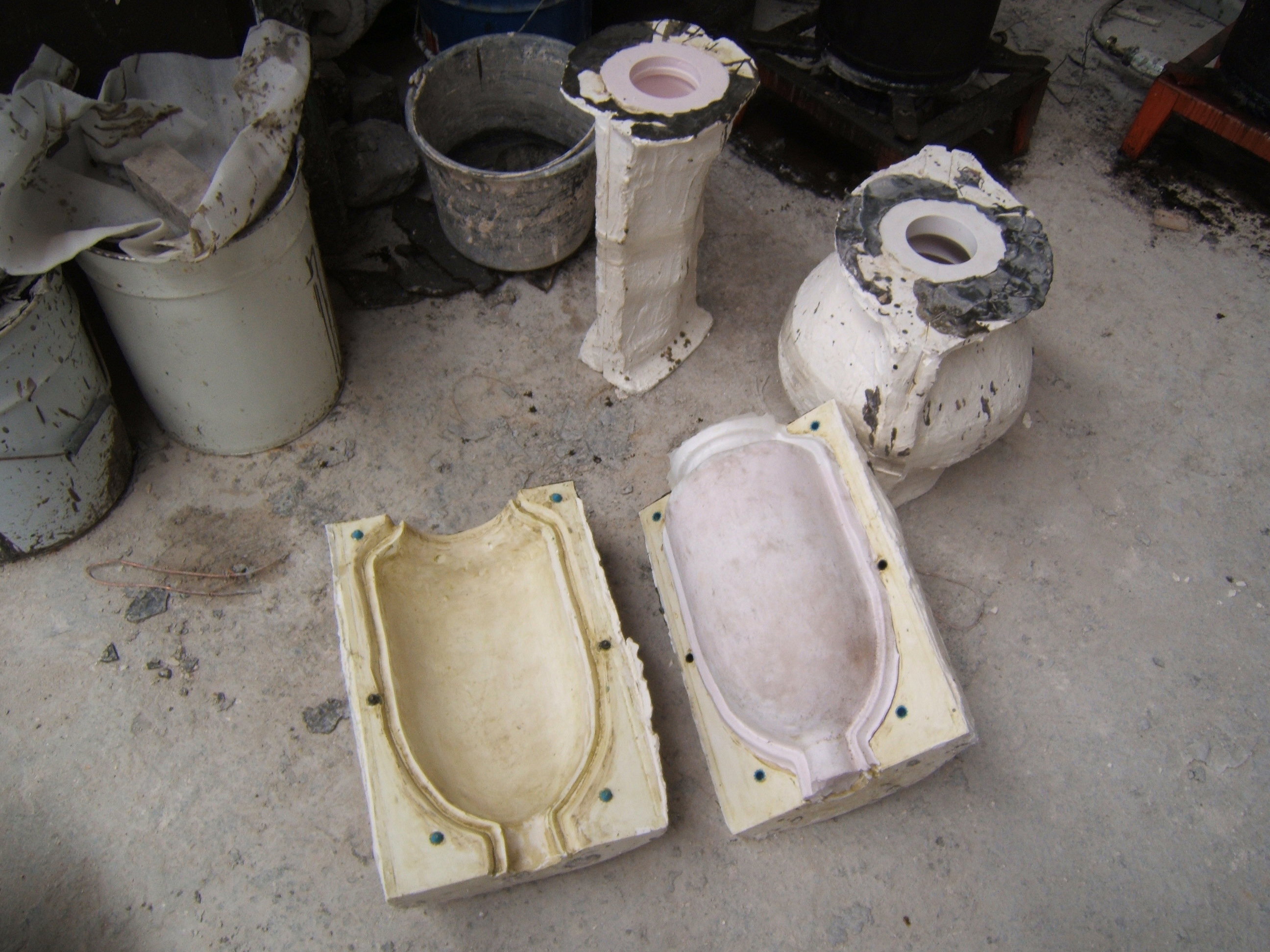
After the mold has been prepared for use, liquid wax is poured into it. The wax cools against the mold wall, thus forming the desired wall thickness. The excess, still liquid wax is poured out. As soon as the wax model is hard enough, it is carefully removed from the mold.
Step 2 - Refine wax model
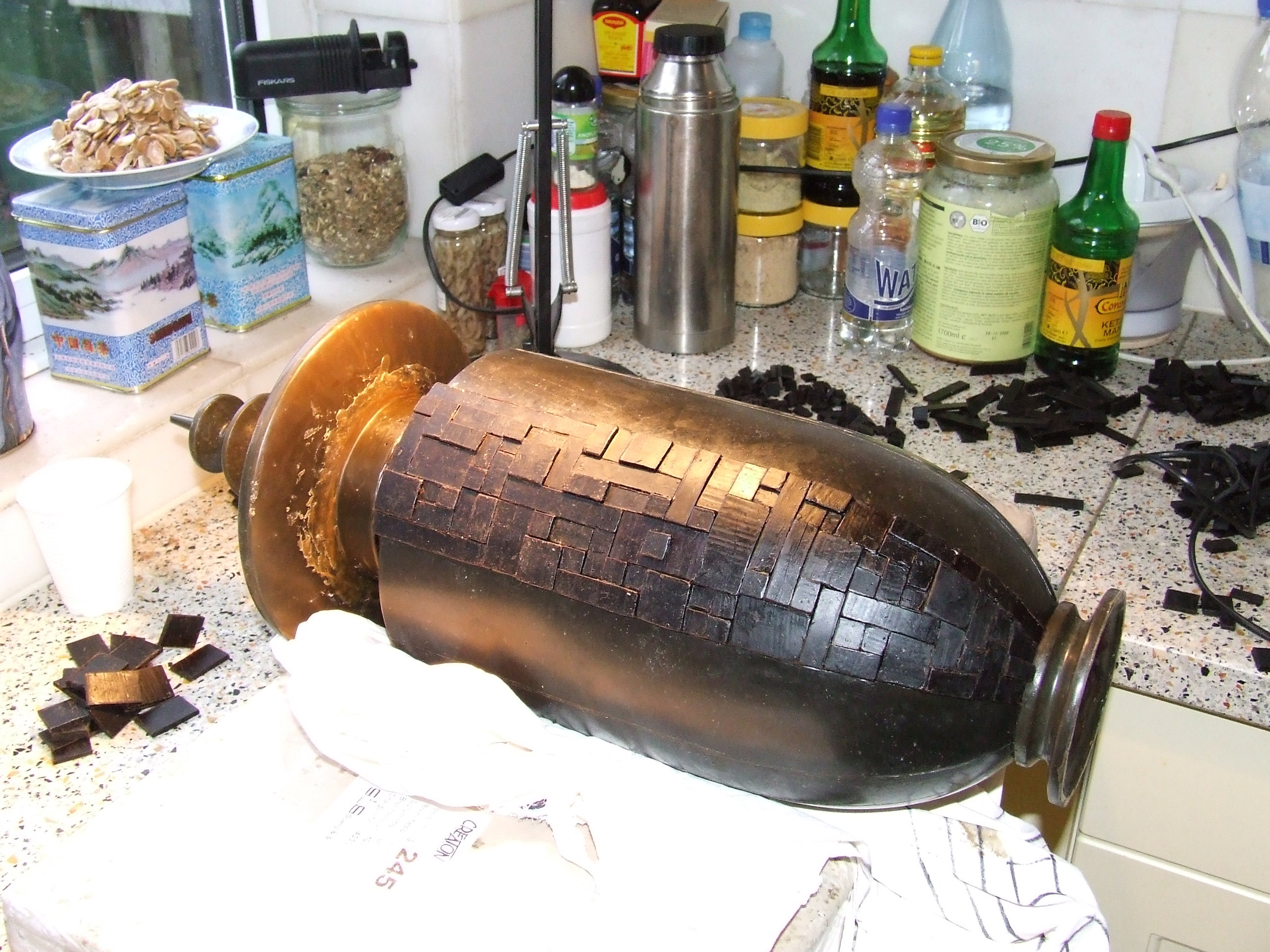
We now have the original in wax. Any manual edits and refinements — such as adding figures, patterns, or text — take place in this crucial phase.
Step 3 - Preparation of refractory mass
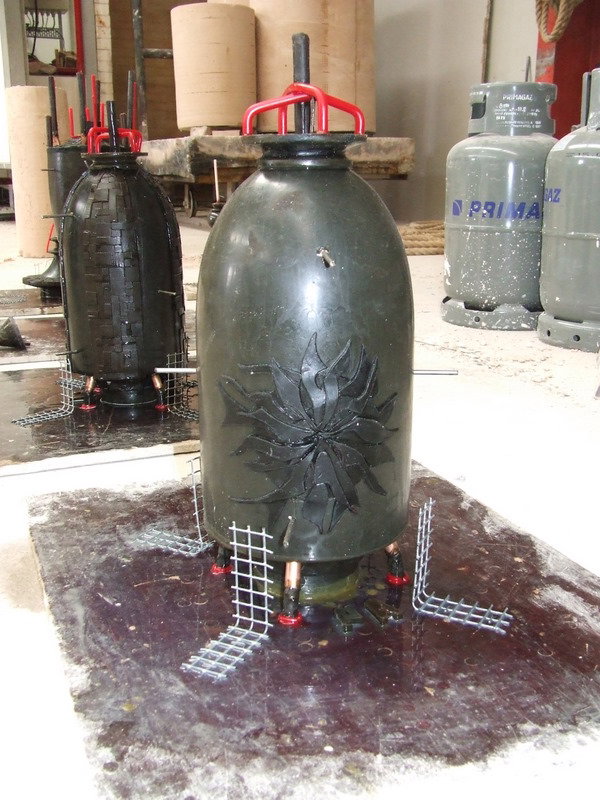
After the aesthetic treatments, the wax model is fitted with core supports and a technical network of pouring, venting, and extraction channels.
Step 4 - The refractory mass
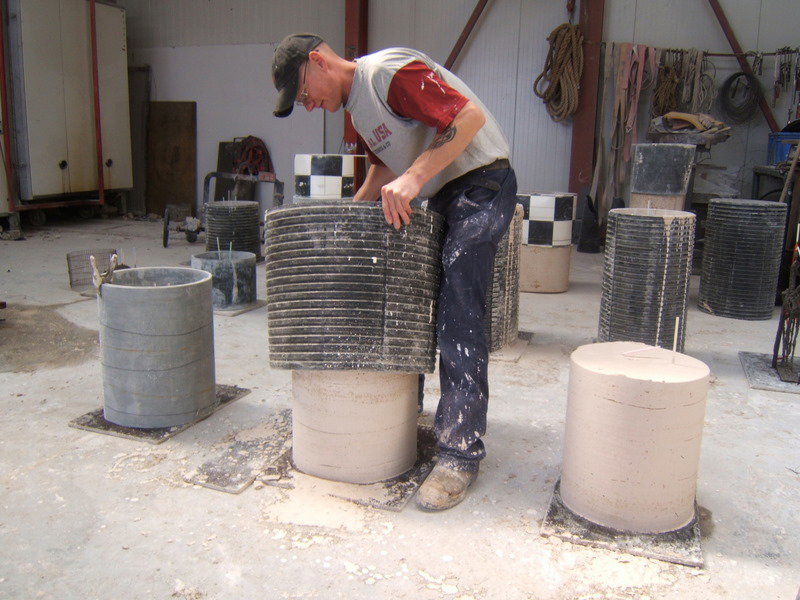
The prepared wax model is placed in a sturdy tube, which is completely filled with a special refractory mass. After this mass has hardened, the outer casing is removed. The only things still visible are the casting and venting openings.
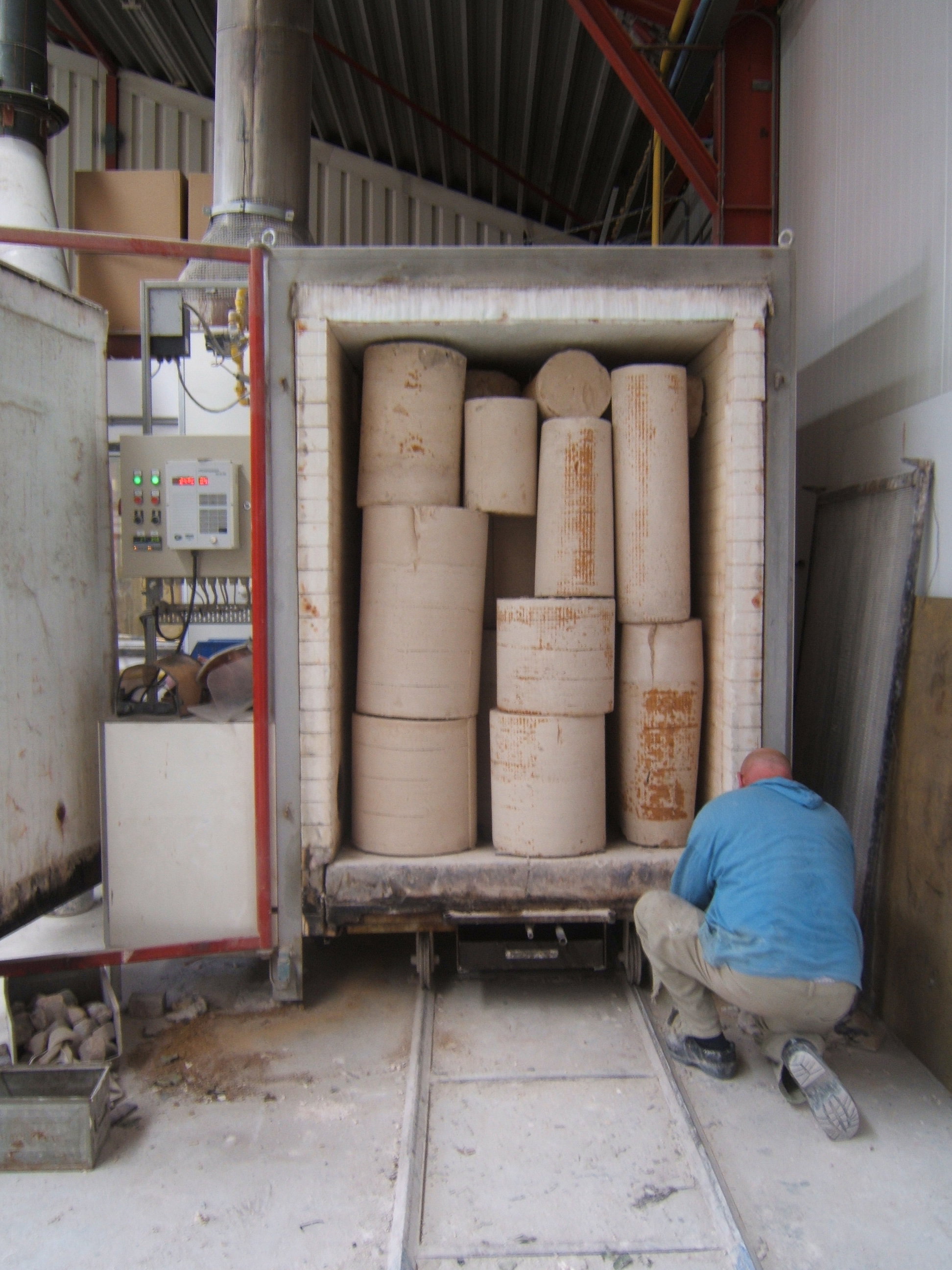
Step 5 - The firing oven
The heavy cylinder block is placed in the burnout furnace. Here, after approximately 48 hours at a constant temperature of 600 degrees Celsius, it will burn clean completely. The wax melts out and evaporates; the block now contains an exact cavity in the shape of the model. The block is bored out, vacuumed, and set up in the foundry.
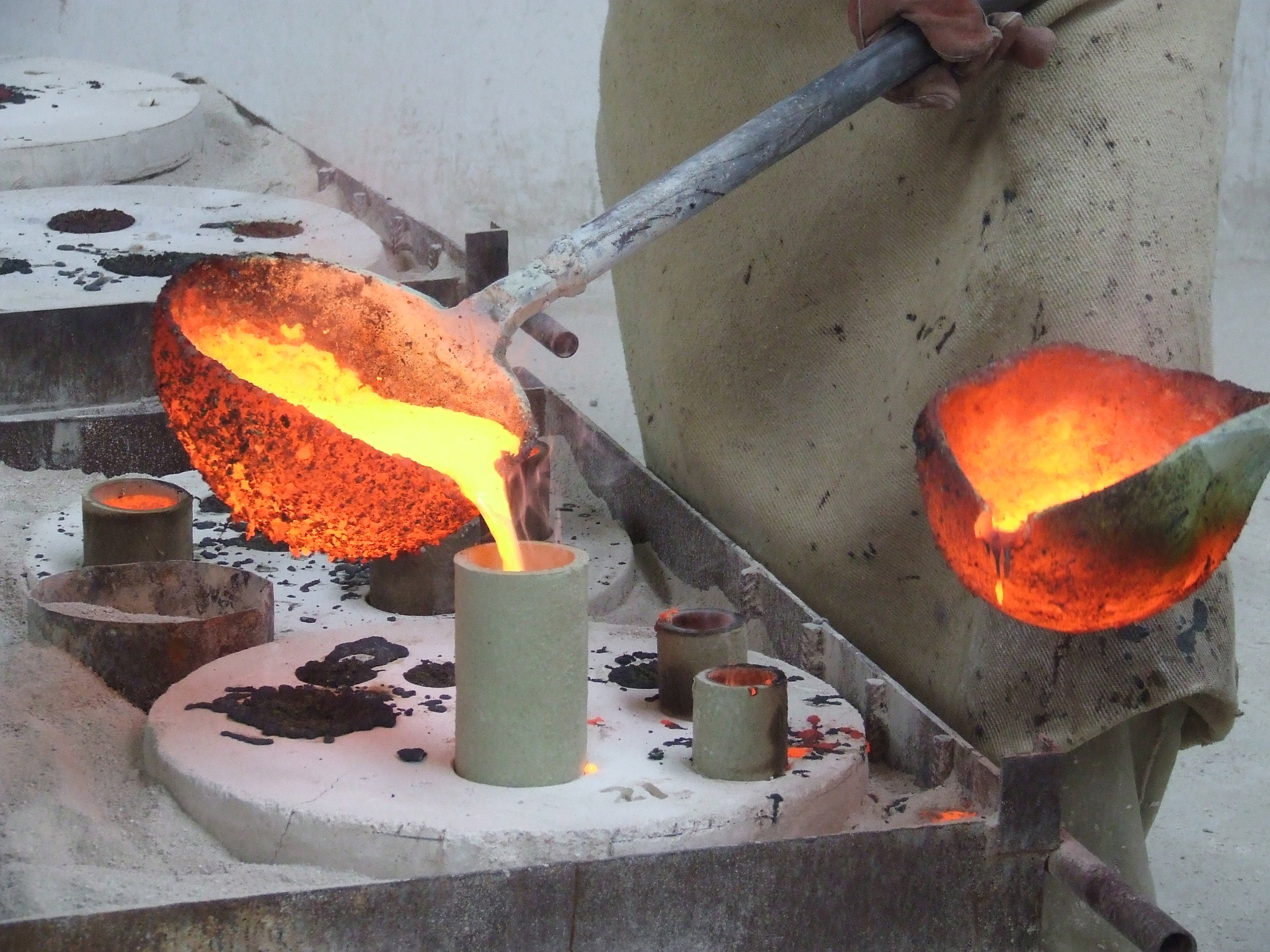
Step 6 - Bronze casting (the melt)
All blocks of refractory mass are positioned stably and filled with liquid bronze. Depending on the chosen alloy, the casting temperature is between 1,000 and 1,150 degrees Celsius.
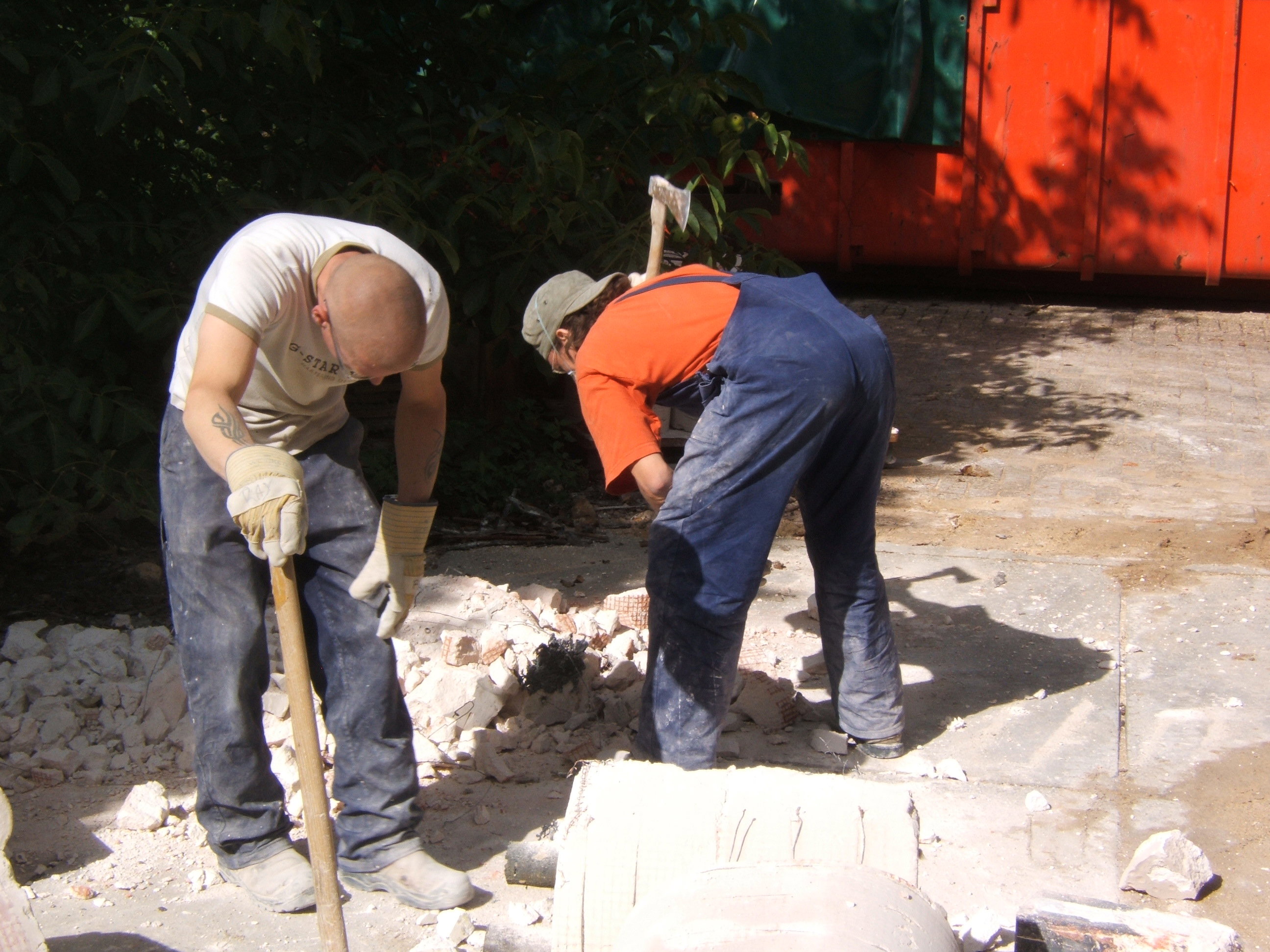
Step 7 - Unpacking
After sufficient cooling of the bronze, the refractory mass surrounding the metal is hammered away. The raw bronze object, including the solid casting and venting channels, is now visible for the first time.
Step 8 - Metalworking and chiseling
The channels, core supports, and rough casting skin are expertly removed. Now follow the heavy machining operations to achieve the desired final result, such as blasting, sanding, welding, chasing*, milling, filing, chiseling, driving, and polishing.
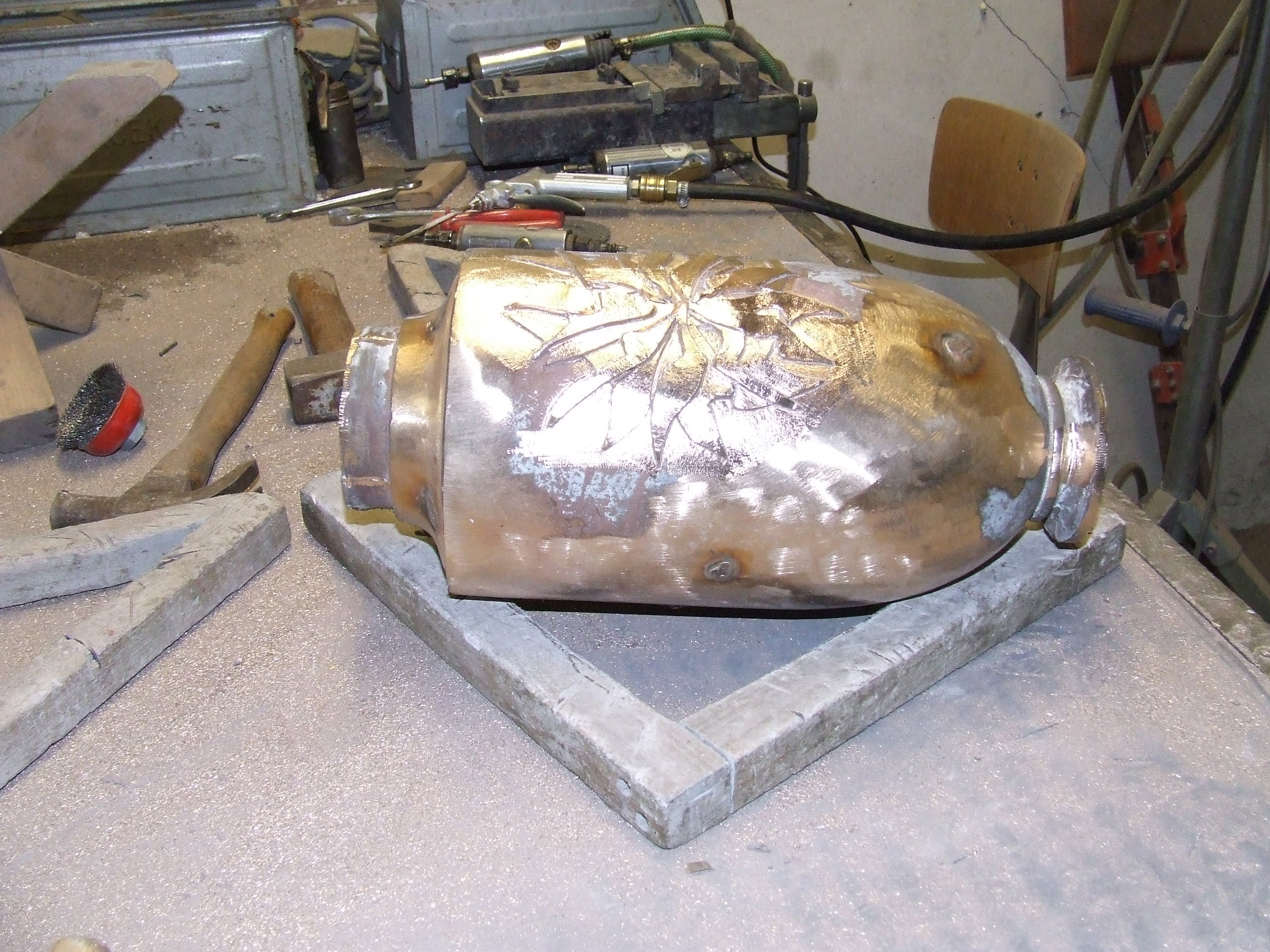
Step 9 - Patinating
The patination of bronze is the controlled oxidation of the metal surface, creating a protective and aesthetic top layer (the patina). This process accelerates the natural aging that normally takes decades, giving the bronze its specific deep hues: from classic brown and green to intense blue or deep red.
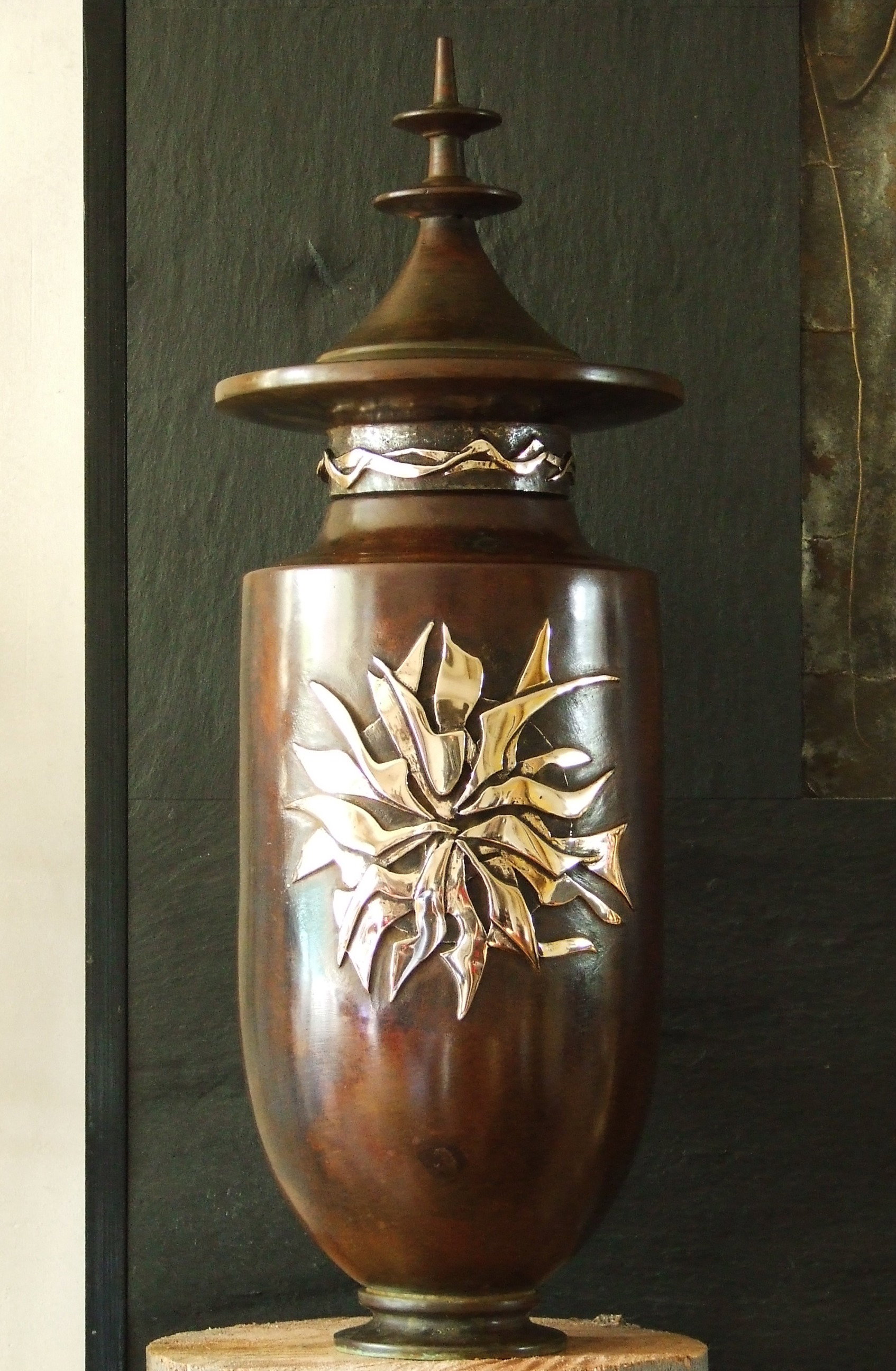
Step 9 - Patinating
The patination of bronze is the controlled oxidation of the metal surface, creating a protective and aesthetic top layer (the patina). This process accelerates the natural aging that normally takes decades, giving the bronze its specific deep hues: from classic brown and green to intense blue or deep red.
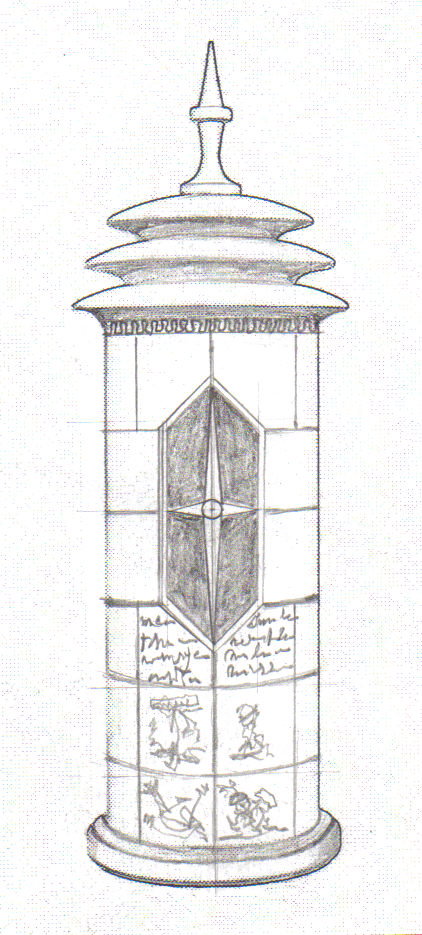
Step 1 - Sketching
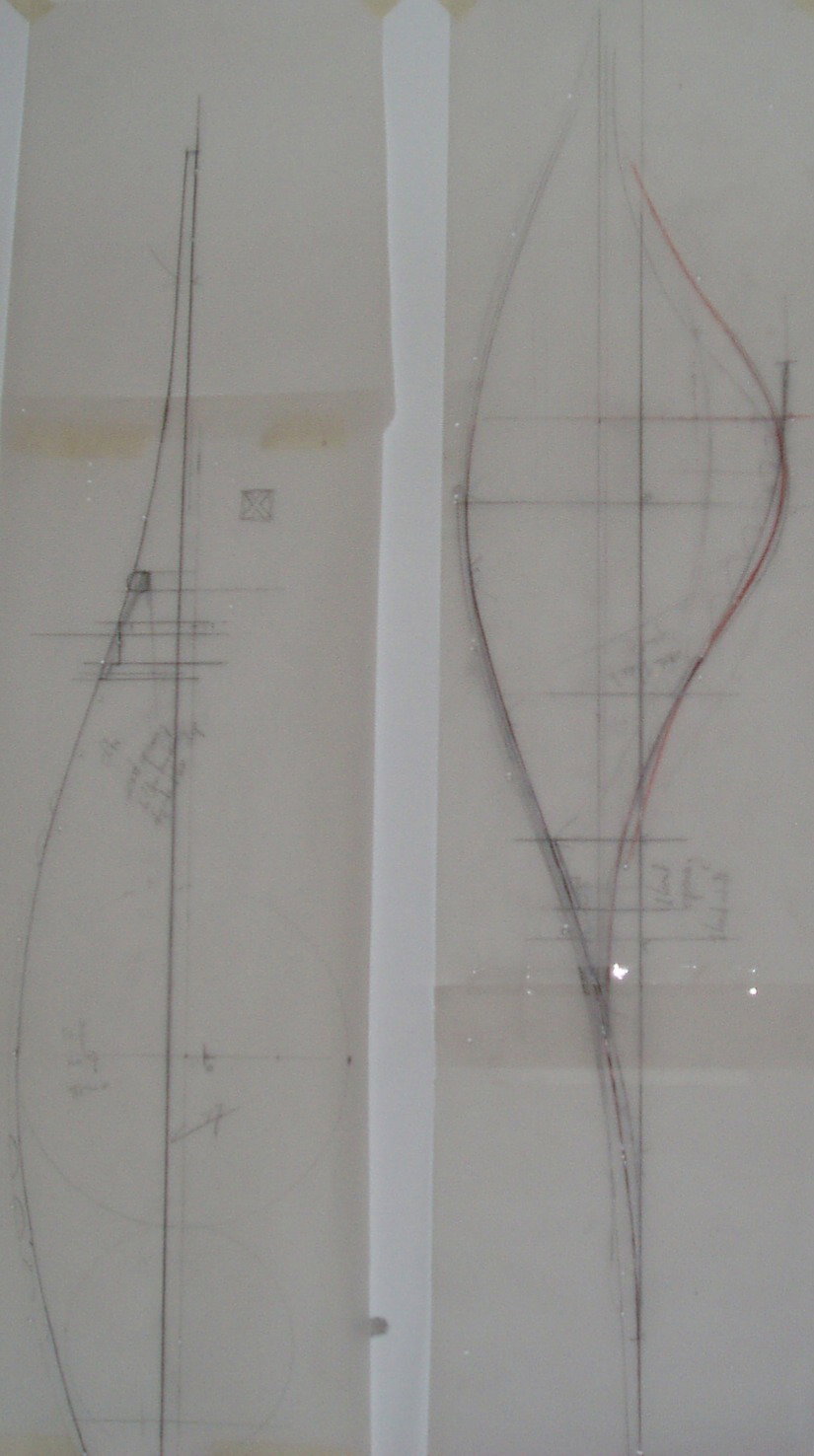
Step 2 - Line plan
Step 3 - Make a mold
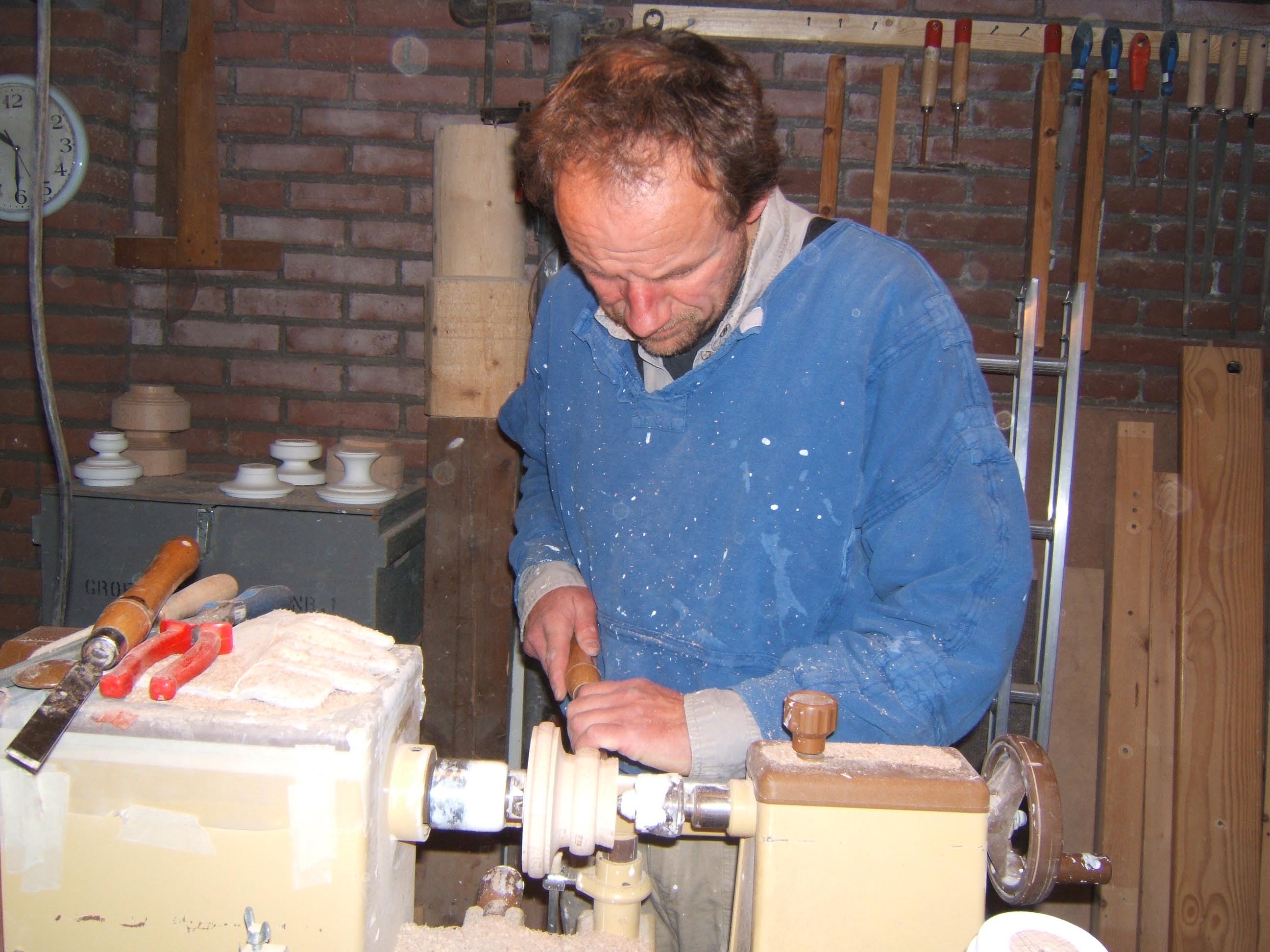
Step 4 - Wood turning